The last time you trained consistently, maybe your kid was in a car seat or you still had a commute that did not involve MoPac at 5 p.m. You remember being stronger and leaner — and you keep telling yourself you will get back to it once work calms down. Getting back in shape after years off is not about reliving your college workout. It is about meeting your body where it is today, rebuilding movement quality before intensity, and proving you can still change — without the injury, burnout, or shame spiral that stopped you last time.
Why Most Fitness Restarts Fail (and How to Avoid It)
The most common mistake when getting back in shape after years off is doing too much too soon.
You remember what you used to bench. You sign up for a boot camp or copy a program designed for someone training five days a week. By week two your knees ache, your shoulder flares up, and you are so sore you skip the next four sessions.
The failure is not lack of discipline — it is a mismatch between program intensity and current capacity. A smart restart respects where your body is today, not where it was in 2015.
Restart myths that cause burnout
Who This Is For
This guide is for Austin adults who have been away from consistent training — whether that is six months or fifteen years — and want a realistic path back without repeating the same crash-and-burn cycle.
- Parents and busy professionals who lost fitness to work, kids, and unpredictable schedules
- Former athletes or gym regulars who remember being fit but do not know where to start now
- Adults over forty rebuilding strength, energy, and confidence — not chasing a college physique
- Anyone intimidated by crowded commercial gyms after years away
- People pairing a fitness restart with sensible nutrition coaching instead of crash dieting
Your First Four Weeks: A Practical Restart Plan
Weeks one through four are about showing up, learning movements, and establishing a rhythm.
Train full body two or three times per week on non-consecutive days — Monday and Thursday, or Monday, Wednesday, Friday. Walk twenty to thirty minutes on non-training days. Sleep seven to eight hours. Eat protein at every meal.
Do not chase your old maxes. Use weights that feel challenging on the last two reps but allow perfect form on every rep. In Austin summers, train indoors or early morning — heat and dehydration will wreck session quality faster than a light weight will.
| Week | Training focus | Walking | Nutrition priority |
|---|---|---|---|
| 1 | Learn movements, light to moderate loads | 15–20 min daily | Protein at each meal, no extreme deficit |
| 2 | Same patterns, slight load or rep increase | 20–25 min daily | Add vegetables, reduce liquid calories |
| 3 | Introduce one progression per exercise | 25–30 min daily | Track intake loosely for awareness |
| 4 | Assess: ready to add session or intensity? | 30 min daily or 3x/week | Set calorie target with coach or calculator |
Week one session template for returning adults
- ✓Five-minute warm-up: bike, treadmill walk, or dynamic stretches
- ✓Goblet squat or box squat: 2–3 sets of 10 reps
- ✓Dumbbell Romanian deadlift: 2–3 sets of 10 reps
- ✓Incline push-up or dumbbell bench: 2–3 sets of 8–10 reps
- ✓Cable or dumbbell row: 2–3 sets of 10–12 reps
- ✓Farmer carry or plank: 2 sets of 20–30 seconds
- ✓Five-minute cool-down and breathing
Common Mistakes When Restarting After Years Off
These are the restart mistakes I see constantly with Austin clients — smart people who confuse remembering fitness with being ready for the same program.
- Copying a program designed for someone training five or six days per week
- Skipping strength work and defaulting to daily cardio or HIIT
- Slashing calories to 1,200 to "make up for lost time"
- Training through joint pain because muscle soreness felt similar last time
- Waiting for the perfect Monday instead of starting with two sessions this week
- Ignoring sleep and hydration — especially brutal during Austin summers
- Comparing week-two strength to your peak from a decade ago
| Factor | Smart restart | Burnout restart |
|---|---|---|
| Week one volume | 2–3 full-body sessions, manageable loads | Daily workouts, old maxes, extra cardio |
| Nutrition | Moderate deficit, high protein | Extreme cut, no fuel for recovery |
| Summer in Austin | Indoor or early training, hydration priority | Midday outdoor boot camp in July |
| Month two | Still training, load progressing | Injured, guilty, or quit entirely |
Pair training with nutrition coaching rather than punishing yourself at the table. Your body needs fuel to rebuild — especially protein.
Why Strength Training Comes Before Cardio Obsession
Returning adults often default to cardio because it feels familiar and sweaty. But strength training is the priority when you want to get back in shape after years off.
Muscle mass declines with inactivity — sarcopenia accelerates after forty. Strength training rebuilds lean tissue, supports joints, raises resting metabolism, and improves bone density. Cardio supports heart health and calorie burn, but walking covers most cardiovascular needs for restart clients.
Save intense running or HIIT for month two or three, after your body tolerates consistent strength work.
- Strength training preserves muscle during fat loss — cardio alone does not.
- Stronger muscles stabilize knees and hips, reducing pain during daily activity.
- Lifting improves insulin sensitivity and blood sugar control independent of cardio.
- Daily walking provides cardiovascular benefit without joint stress from running.
- Combined strength plus walking beats either approach alone for body composition.
New to lifting or rusty on form? Read the strength training beginner guide for Austin. Pair training with sensible nutrition coaching rather than crash dieting — your body needs fuel to rebuild.
Realistic Timelines and What to Expect
Honest expectations prevent quitting.
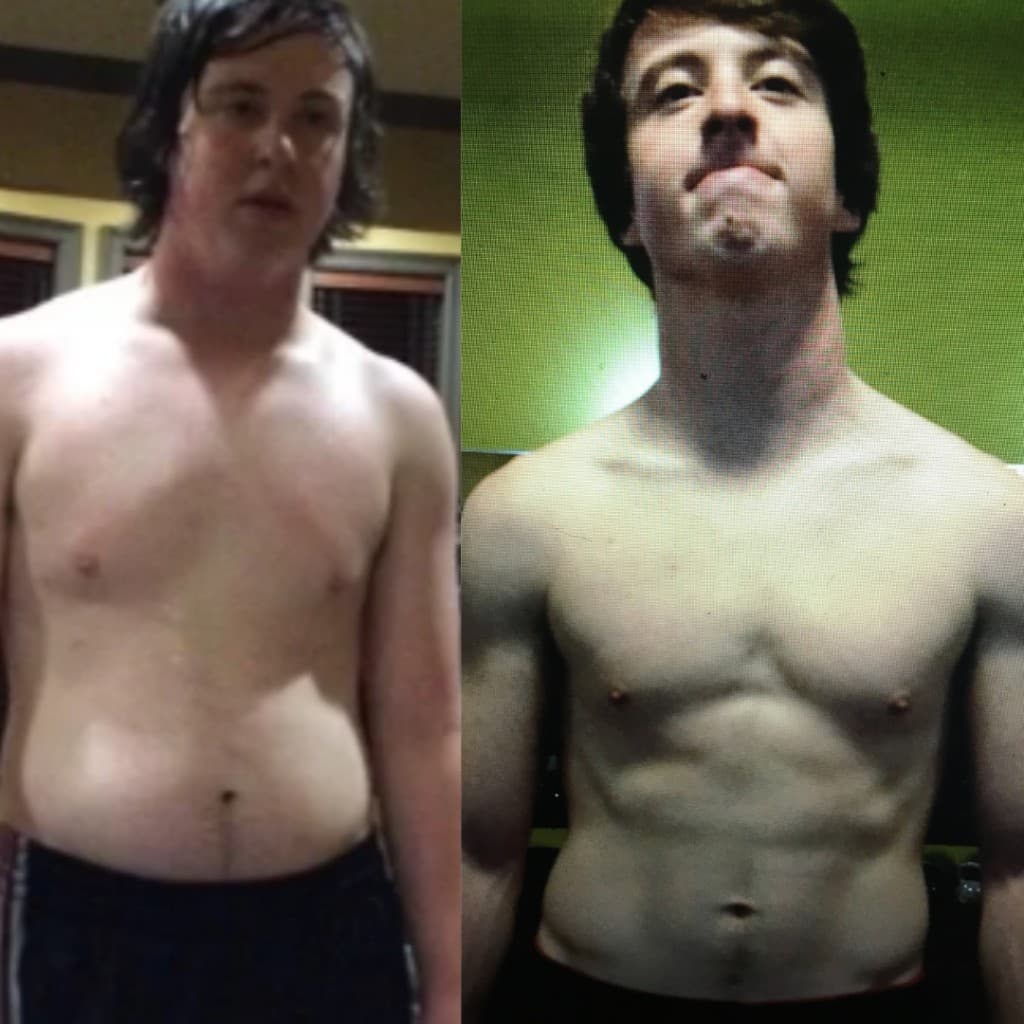
In weeks one to four you will feel better — more energy, better sleep, improved mood — before you see dramatic physical change. Weeks four to eight bring visible shifts: clothes fit differently, strength numbers climb, face looks leaner. Months three to six produce the transformation photos worth sharing.
Anyone promising a full body reboot in thirty days is selling something you cannot sustain. Compare weekly consistency — did you complete every planned session? — more than the scale, which fluctuates with water, sodium, and stress.
| Timeframe | Energy and mood | Strength | Body composition |
|---|---|---|---|
| Weeks 1–2 | Often improves quickly | Neural gains, weights feel lighter | Minimal visible change |
| Weeks 3–4 | Stabilizes higher | Noticeable rep and load increases | Slight waist reduction possible |
| Weeks 5–8 | Sustained if sleep and nutrition support | Compound lifts progressing steadily | Visible in photos and clothing fit |
| Months 3–6 | New normal | Approaching prior strength levels | Significant fat loss and muscle regain |
Staying Injury-Free When Your Body Remembers (and Forgets)
Muscle memory is real — you will regain strength faster than a true beginner. Tendons, ligaments, and joint cartilage adapt more slowly.
That gap causes injuries: your muscles can move a weight your connective tissue is not ready to support. Warm up every session. Progress load by five to ten percent per week at most. Stop sets before form breaks down.
If something hurts in a joint — not muscle fatigue — stop and assess. A personal trainer watches for compensations you cannot see yourself.
- Get medical clearance if you have cardiovascular risk factors or recent health events.
- Start with two sessions per week; add a third only after two weeks of consistency.
- Film your first sessions or train with a coach to catch form breakdown early.
- Sleep seven to eight hours — recovery is when adaptation happens.
- Address nagging joint pain with a physical therapist before loading heavy.
Accountability: The Variable That Makes Restarts Stick
You have restarted before. The missing piece is usually not information — it is accountability.
Fixed appointments with a coach, a training partner who texts if you skip, or a financial commitment to a structured package changes behavior. In-person coaching at a private Austin gym removes the intimidation of walking into a crowded commercial gym after years away.
If travel or schedule makes in-person difficult, online coaching with regular check-ins beats going alone — but only if you are honest in your reports. Quality online programs typically start around $300+/month for full accountability.
| Factor | Solo restart | Coached restart |
|---|---|---|
| Program design | Random internet program or old routine | Progression matched to current capacity |
| Form quality | Self-assessed, often poor without feedback | Corrected in real time or via video |
| Intensity control | Too much too soon or too little forever | Systematic progression and deloads |
| Adherence | High dropout by week three | Appointment structure improves consistency |
| Nutrition | Crash diet or unchanged habits | Integrated coaching, sustainable deficit |
| Typical cost | Free — but high dropout cost | $85–$200+ per in-person session or $300+/month online |
Deciding between in-person and remote? Read personal trainer vs online coach. Wondering about cost? See personal training costs in Austin.
Ready to stop restarting? Book a consultation with Jack McNamara at MacFitt — we will assess where you are, set a realistic twelve-week plan, and train in a private environment built for focused coaching. View client transformations for proof that comebacks are not just possible — they are routine when the plan is right.
Bottom Line
Getting back in shape after years off is not a willpower test. It is a progression problem solved with conservative loading, strength-first training, adequate protein, and accountability that survives Austin heat and busy work weeks.
Start with two or three sessions this week. Walk on off days. Sleep. Do not chase your old maxes on day one. Momentum is built in repetitions, not revelations.
Frequently Asked Questions
There is no cutoff. Whether you stopped six months or fifteen years ago, the principles are the same: start conservative, prioritize strength and walking, progress gradually. Longer time off may mean more patience with connective tissue adaptation, but muscle memory still helps.
Two to three strength sessions per week is ideal for most returning adults. Add daily walking on non-training days. Avoid training six or seven days per week — recovery is when your body rebuilds, and rest days are not optional.
No. Start strength training now. Muscle preserved during fat loss keeps metabolism higher and improves how you look at a given weight. Pair lifting with a moderate calorie deficit and high protein — not extreme restriction.
Not at all. Clients in their fifties and sixties rebuild strength, lose fat, and improve energy with consistent training. Progress may be slightly slower than in your twenties, but the benefits — bone density, balance, independence — are arguably more important.
Disclose injuries to your coach or physician before starting. Many movements can be modified — box squats instead of deep squats, neutral-grip pressing instead of barbell overhead work. A physical therapist can clear you for specific activities; a trainer programs around limitations.
Energy and strength often improve within two to four weeks. Visible body composition changes typically appear around weeks six to twelve with consistent training and nutrition. Dramatic transformations take six to twelve months — anyone promising faster is likely using unsustainable methods.
Private gym training eliminates crowds and waiting for equipment. You train by appointment in a quiet environment with a coach focused on you. Home training with online coaching is another option if you have basic equipment and prefer privacy.
No. Daily walking plus strength training covers cardiovascular and body composition needs for most restarting adults. Add running or cycling later if you enjoy it — not because you think it is required for fat loss.
In-person private coaching typically runs $85–$200+ per session. Full-service online coaching with programming, nutrition, and accountability starts around $300+/month. See our personal training cost guide for format comparisons.
Prioritize protein at every meal, a moderate calorie deficit if fat loss is the goal, and enough total food to fuel recovery. Crash dieting sabotages strength gains. Read our nutrition coaching guide for practical frameworks that fit Austin life.